Project III: Enhancing Youth Independence Through Vocational Skills Training at Uluguru Carpentry Workshop Morogoro
Project Background:
Project Rationale:
Context and Need
The Uluguru Carpentry Workshop is a strategic response to a deeply entrenched socio-economic challenge affecting youth in the region. High levels of illiteracy, compounded by limited access to employment and vocational training, have left many young people marginalized and unable to realize their full potential. This situation perpetuates cycles of poverty, social exclusion, and vulnerability.
Despite the presence of government initiatives, resources are often overstretched and unable to meet the growing demand for youth support. Community-based safety nets remain underdeveloped, and social stigma frequently silences the aspirations of young individuals seeking a better future.
Purpose and Objectives
This project is designed to address these challenges through a holistic and sustainable approach. It aims to:
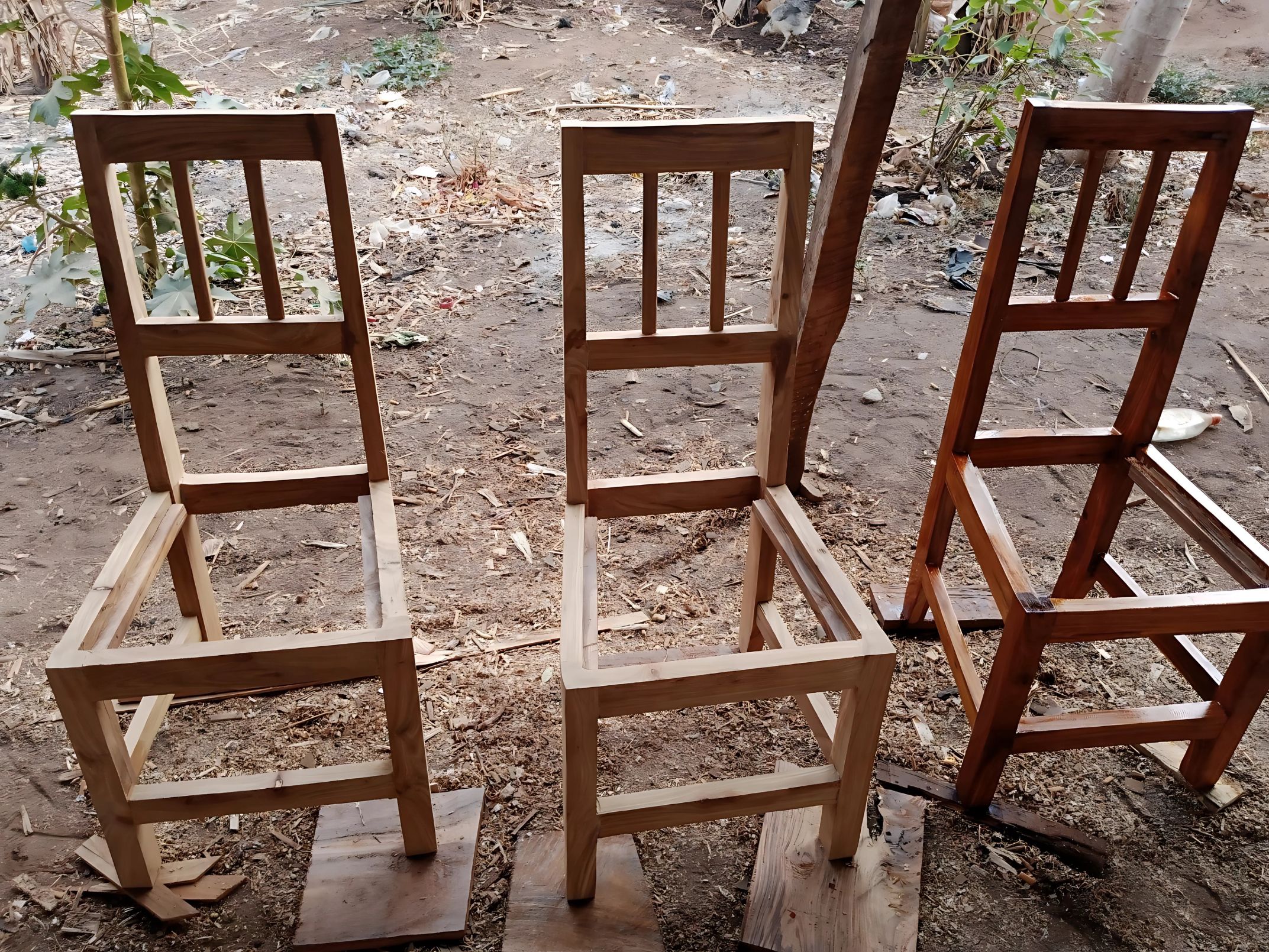
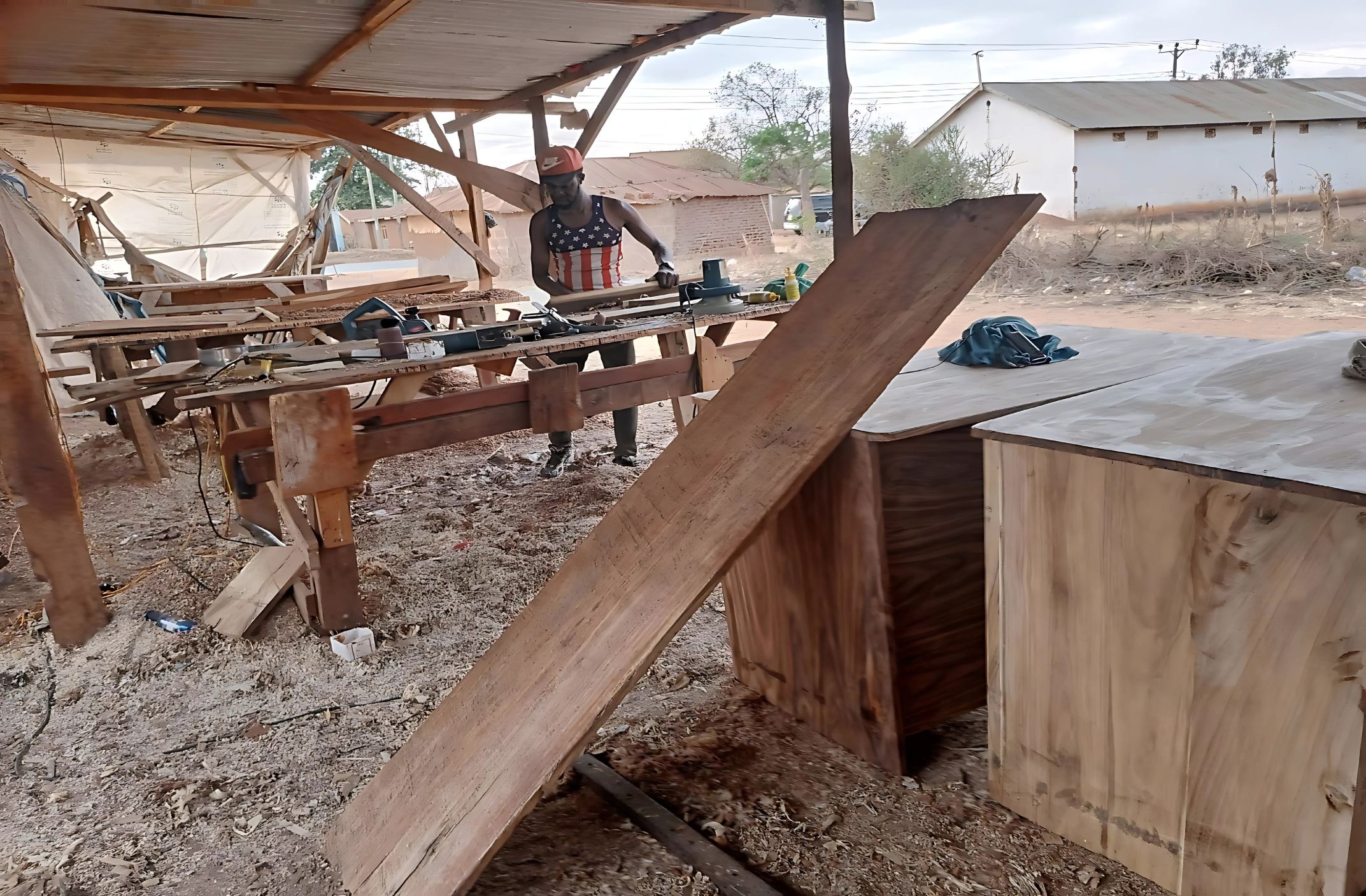
Empower youth through carpentry-based income generation
By equipping participants with practical carpentry skills, the workshop will enable them to earn a stable income, fostering independence and economic resilience.Provide long-term development through education and vocational training
Beyond immediate employment, the project will offer structured learning opportunities, enhancing literacy, technical proficiency, and entrepreneurial capacity.Align with national poverty reduction strategies
The initiative supports broader governmental efforts to reduce poverty and promote inclusive economic growth, contributing to national development goals.
Transformational Impact
By intervening early and comprehensively, the Uluguru Carpentry Workshop seeks to:
- Break the intergenerational cycle of poverty
- Foster community resilience and self-reliance
- Create a replicable model for youth empowerment in underserved regions
This project is not just a workshop—it’s a launchpad for brighter futures, stronger communities, and a more equitable society.
Vision & Mission:
Vision:
To become a leading supporter for the disadvantaged youths' vocational training
Mission:
Enhancing youths’ independence through facilitation of training in vocational skills
Target Group:
The Uluguru Carpentry Workshop is designed to serve youth who face significant socio-economic challenges and are at risk of long-term marginalization. The project will prioritize the following groups:
1. Disadvantaged Youths (Ages 18–25)
- Young individuals who lack access to formal education, vocational training, or stable employment.
- Often excluded from mainstream development programs due to geographic, economic, or social barriers.
2. Youths from Impoverished or Unstable Households
- Participants from families struggling with poverty, food insecurity, or unstable living conditions.
- Includes youth from single-parent homes, orphaned individuals, or those affected by domestic instability.
3. Youth at Risk of Exploitation, Early Marriage, or School Dropout
- Vulnerable youth who are exposed to harmful practices such as child labor, early marriage, or trafficking.
- Those who have dropped out of school or are at high risk of doing so due to financial or social pressures.
Project Objectives:
The Uluguru Carpentry Workshop is committed to empowering vulnerable youth through practical support, vocational training, and community engagement. The following objectives outline the measurable and strategic goals of the project:
1. Provide Essential Support to Village Youths
- Deliver daily meals and carpentry tool kits to approximately 20 village youths annually, ensuring their basic needs are met while they participate in training.
- Foster a supportive learning environment that encourages consistent attendance and skill acquisition.
2. Promote Community Awareness and Outreach
- Conduct targeted awareness campaigns to engage street youths and inform them about the benefits of vocational training.
- Collaborate with local leaders, schools, and media to reduce stigma and increase enrollment in the workshop.
3. Train Older Youths in Vocational and Entrepreneurial Skills
- Equip older youths with carpentry and entrepreneurship training to promote self-reliance and economic independence.
- Support graduates with mentorship and small business startup guidance to ensure sustainable livelihoods.
Expected Impact:
The Uluguru Carpentry Workshop is designed to generate meaningful and measurable outcomes that contribute to youth empowerment and community development. The primary expected impact includes:
Creation of Sustainable Self-Employment
- Enable at least 20 youths annually to establish self-employment through carpentry and related trades.
- Equip participants with practical skills, tools, and entrepreneurial knowledge to start their own income-generating activities.
- Reduce dependency on informal labor and increase financial stability among youth beneficiaries.
Broader Community Benefits
- Stimulate local economic growth through youth-led microenterprises.
- Foster a culture of skill-based development and self-reliance.
- Contribute to national poverty reduction goals by transforming vulnerable youth into active economic contributors.
Location & How to Reach Out:
The Uluguru Carpentry Workshop is located in Gairo Village, a strategic and accessible location in eastern Tanzania. The site is situated:
- Near Gairo National Stadium, locally known as “Uwanja wa Taifa”, provides a recognizable landmark for community engagement and outreach.
- Approximately 130 kilometers from Msamvu Bus Terminal in Morogoro, a major transit hub that connects the region to surrounding districts and urban centers.
This location was selected for its proximity to underserved youth populations, availability of open space for workshop facilities, and ease of access for trainers, partners, and beneficiaries. The surrounding community offers a supportive environment for vocational training and youth development initiatives.
Get Involved Info
💝 Donate to Meremeta Community Initiatives
For one-time or recurring donations, including gift-in-kind contributions, please use our official bank account in Tanzania:
Bank Name: Tanzania Commercial Bank
Branch: Morogoro Branch
Account Name: MEREMETA COMMUNITY INITIATIVES
Account Number: 330218000508
SWIFT Code: TAPBTZTZ
We deeply appreciate your support in empowering communities and driving sustainable change.
📩 Online Inquiries Welcome
If you have questions or would like to get in touch, please submit your inquiry using the form in the right.
Volunteering Opportunities
Karibu Meremeta! Hakuna Matata!
Have you ever wanted to be part of a team dedicated to nourishing the welfare of vulnerable children? Here at MECIN, we offer you an opportunity to invest your time and effort in supporting these children.
A short tour to explore the local culture and an orientation on a few basic Swahili phrases will be conducted upon your arrival. You will take part in our movement to improve children's welfare through the provision of education.
Accommodation will be provided at a local standard for a minimal charge to help cover bills for electricity, water, and laundry. A certificate of appreciation will be awarded upon successful completion of your volunteer work.
Photo 8
It’s true that changing the world may take longer than your volunteering stay with us—but the time you spend in our projects can lay a strong foundation for future success, both for the initiative and the marginalized communities we serve.
You’ll gain valuable experience in a new cultural setting, learning things that may help you unlock your full potential. We also look forward to learning from you—your skills, your culture, and the amazing experiences you bring. Every volunteer is seen as a vital contributor to the achievement of our organization’s mission.
Photo 9
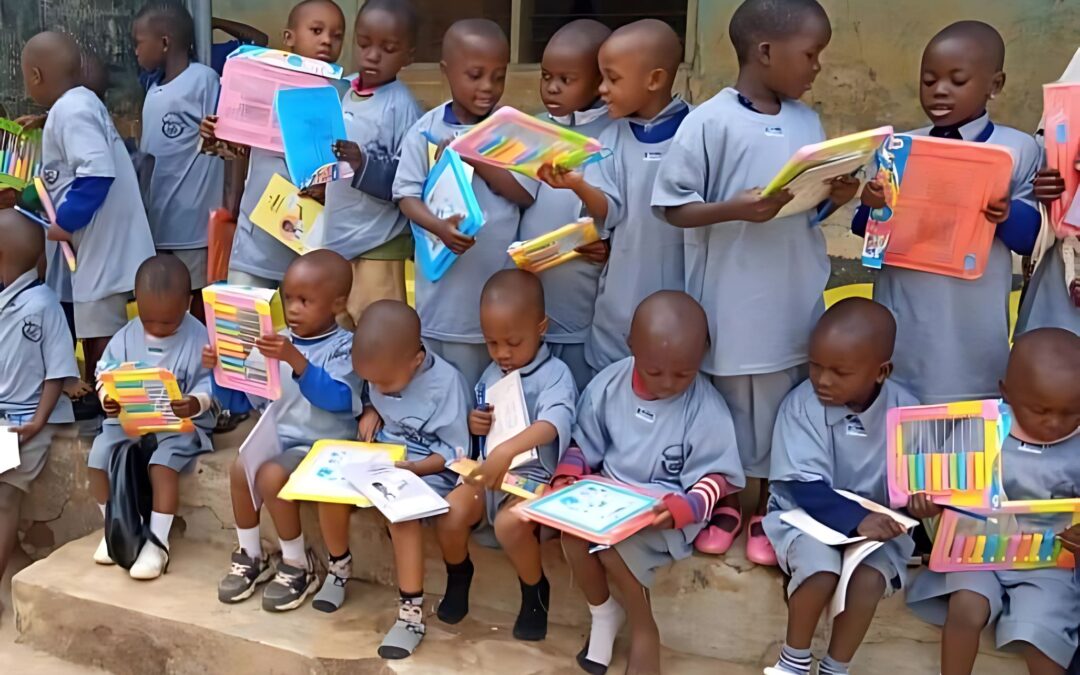
Balloons are highly preferred by the children; they keep them engaged and overwhelmed with joy. Volunteers may give balloons to the children. Additionally, supplies such as school books, teaching materials, games, and toys will support both pupils and their teachers, making learning more enjoyable. The targeted age group for kindergarten is from 3 to 6 years.
Most Related
The Meremeta Children Project
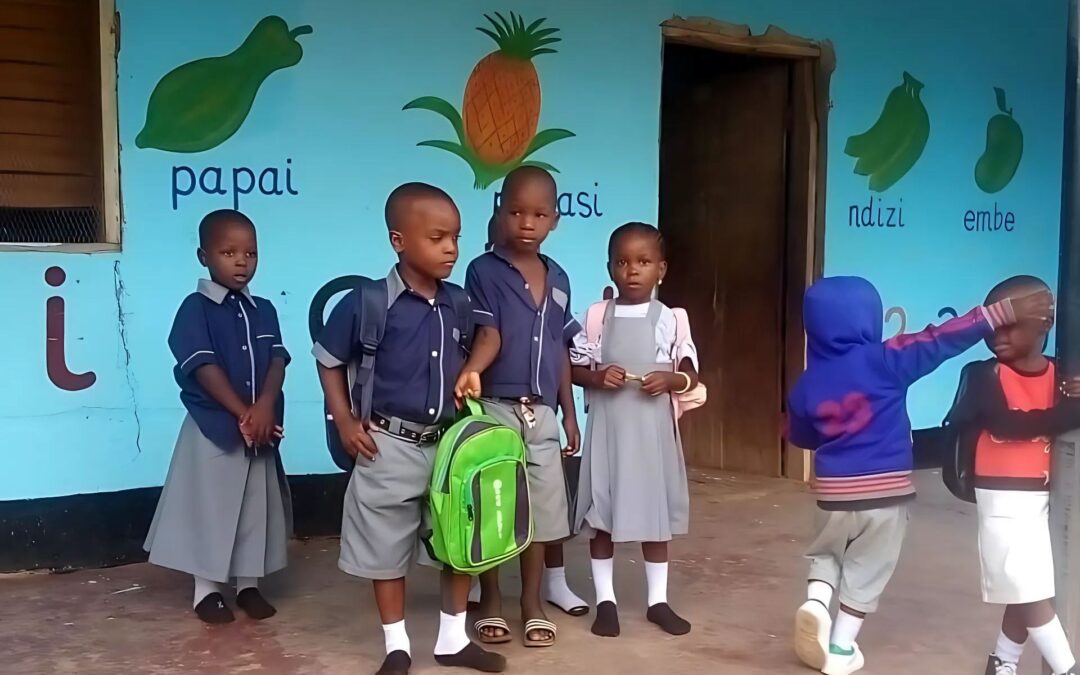
Empowering vulnerable children through shelter, education, healthcare, and life skills to break poverty cycles and build self-reliant, thriving futures in partnership with local communities.
The Pamoja Children Project
Founded in 2012, Pamoja Children Project is a grassroots initiative located in Mang'ula village within the vibrant Kilombero Valley of the Morogoro Region in Tanzania. This project emerged from a collective vision to uplift and empower vulnerable and marginalized...
