Project I: Enhancing Vulnerable Children Educational Access through Child caring Centre of Meremeta Children at Lukobe, Morogoro
Project Background:
This project was born out of a shared vision to improving the lives of vulnerable, orphaned, and at-risk children. Rooted in research, community input, and a drive for impact, it lays the foundation for lasting change in offering integrated support services such as shelter, education, healthcare, psychosocial support, and life skills development. The project aims to create a safe, nurturing, and empowering environment for children to grow, learn, and thrive.
By working closely with local communities, schools, and government bodies, the organization will provide long-term care and reintegration services, educational sponsorships, counseling, and youth empowerment programs. The overall goal is to help children escape cycles of poverty and neglect and become self-reliant adults contributing positively to society.
Project Rationale:
Vulnerable children face profound barriers that prevent them from achieving their full life potential. In communities strained by poverty, limited access to education and healthcare, and weak protection systems, children are disproportionately affected—often suffering in silence from neglect, abuse, and social exclusion.
Our initiative directly responds to these deep-rooted challenges by creating a safe, supportive, and empowering environment for at-risk children. While government efforts exist, they are frequently overstretched, and community-based safety nets lack the resources and structure needed to offer meaningful relief. The stigma surrounding child welfare further compounds the issue, leaving many young lives underserved and unheard.
This project is essential and timely. It seeks to:
- Establish structured support systems for vulnerable children
- Meet urgent needs for shelter, food, and medical care
- Empower long-term development through quality education and skills training
- Reinforce family and community frameworks to reduce neglect and abuse
- Align with national and global goals, including the Sustainable Development Goals (SDGs), to advance child welfare and protection
By intervening holistically and early, we aim to break the intergenerational cycle of poverty, restore dignity, and unlock opportunity for children to thrive.
Vision & Mission:
Vision:
To be a leading institution recognized for advancing quality education and holistic support for vulnerable children, shaping a future where every child can thrive.
Mission:
We provide a safe, inclusive, and nurturing environment where vulnerable children are empowered to learn, grow, and flourish. Through dedicated care, protection, and educational opportunities, we lay the foundation for lifelong resilience and success.
Target Group:
The Meremeta Children Project is committed to supporting children who face significant social and economic hardships. The project will prioritize the following groups:
1. Orphaned and Vulnerable Children (Ages 0–18)
- Children who have lost one or both parents due to illness, conflict, or other life-altering circumstances.
- Those lacking consistent adult care, emotional support, or protection.
- Includes children affected by HIV/AIDS, abandonment, or displacement.
2. Children from Impoverished or Unstable Households
- Children living in poverty, without reliable access to food, shelter, education, or healthcare.
- Those exposed to domestic instability, neglect, or abuse.
- Includes children from single-parent families, child-headed households, or families facing chronic unemployment or illness.
By focusing on these vulnerable populations, the Meremeta Children Project aims to provide holistic care, educational opportunities, and emotional support—ensuring every child has the chance to thrive in a safe and nurturing environment.
Project Objectives:
Infrastructure & Capacity
- Construction of classrooms, toilets, office building and kitchen building to increase accommodation capacity and improve the welfare of the vulnerable children
Education & Enrollment
- Provide quality pre-primary education for 80+ children annually
Gives children a strong academic start and better preparedness for primary school. - Increase primary school enrollment by 50 children annually
Creates a sustainable pipeline into formal education, helping break the cycle of vulnerability.
Health Monitoring
- Monthly health check-ups for 100 children
Early detection and care for health issues improves overall well-being and ability to participate in school.
Community Engagement & Child Protection
- Raise awareness on children's rights & protection
Strengthens social safety nets and empowers families and communities to advocate for children’s welfare.
Expected Impact:
1. Holistic Support for Vulnerable Children
The project will create a safe, nurturing environment for over 120 vulnerable children annually by addressing their basic needs—shelter, food, education, and health—within a structured support system. This multifaceted approach builds resilience and promotes overall well-being.
2. Strengthened Educational Outcomes & Future Potential
By increasing classroom capacity and delivering quality early education, more than 80 children annually will gain the foundational skills required for primary education. Over time, this will boost primary school enrollment for at least 50 children yearly, enabling long-term opportunities for upward mobility through learning and life skills training.
3. Empowered Families & Community Engagement
Through health check-ups and awareness campaigns, the project will engage families and the wider community on children's rights and protection, reducing neglect and abuse. These outreach efforts will help embed positive social norms while contributing to national and global child development goals, including the SDGs.
Location & How to Reach Out:
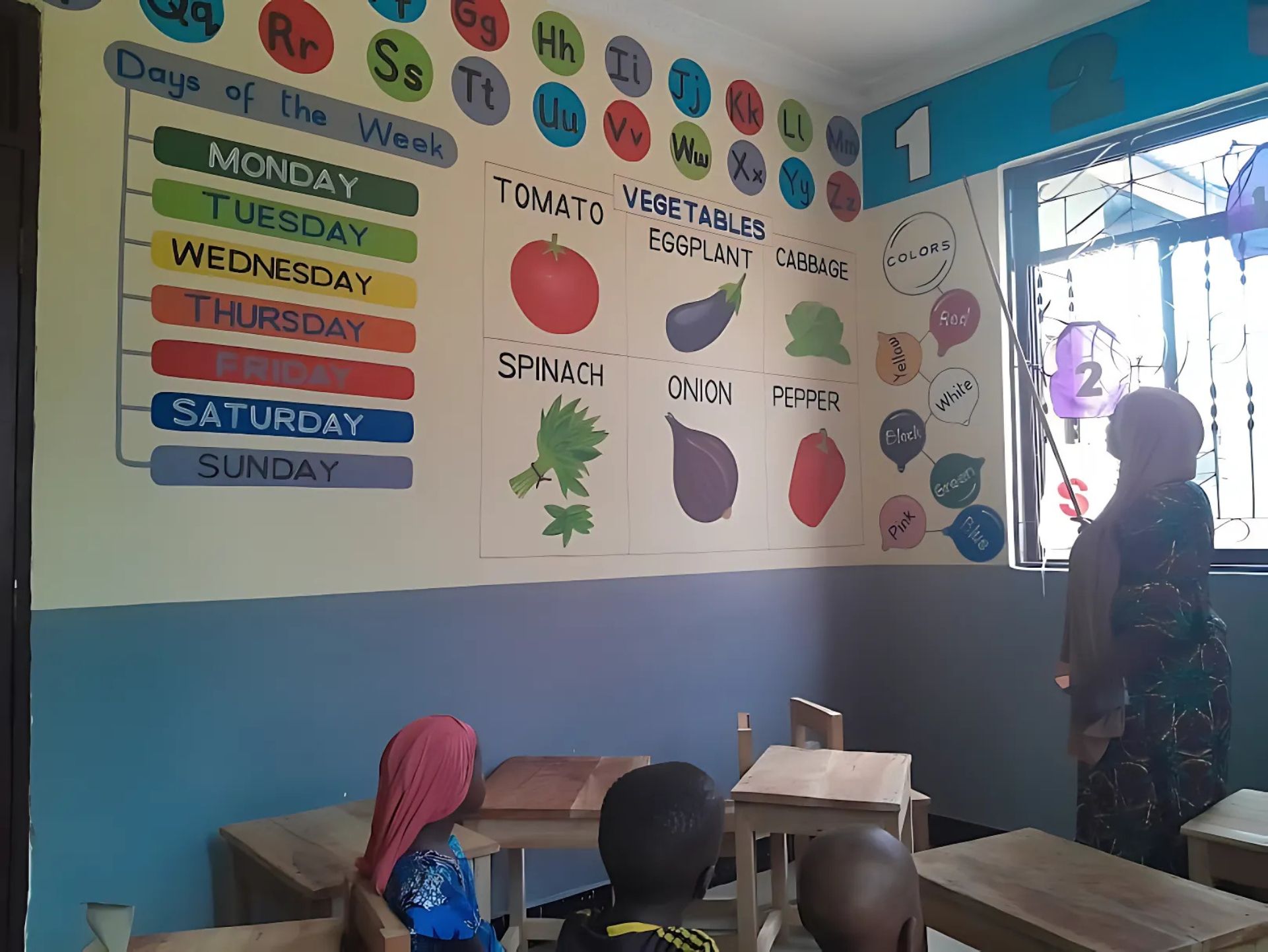
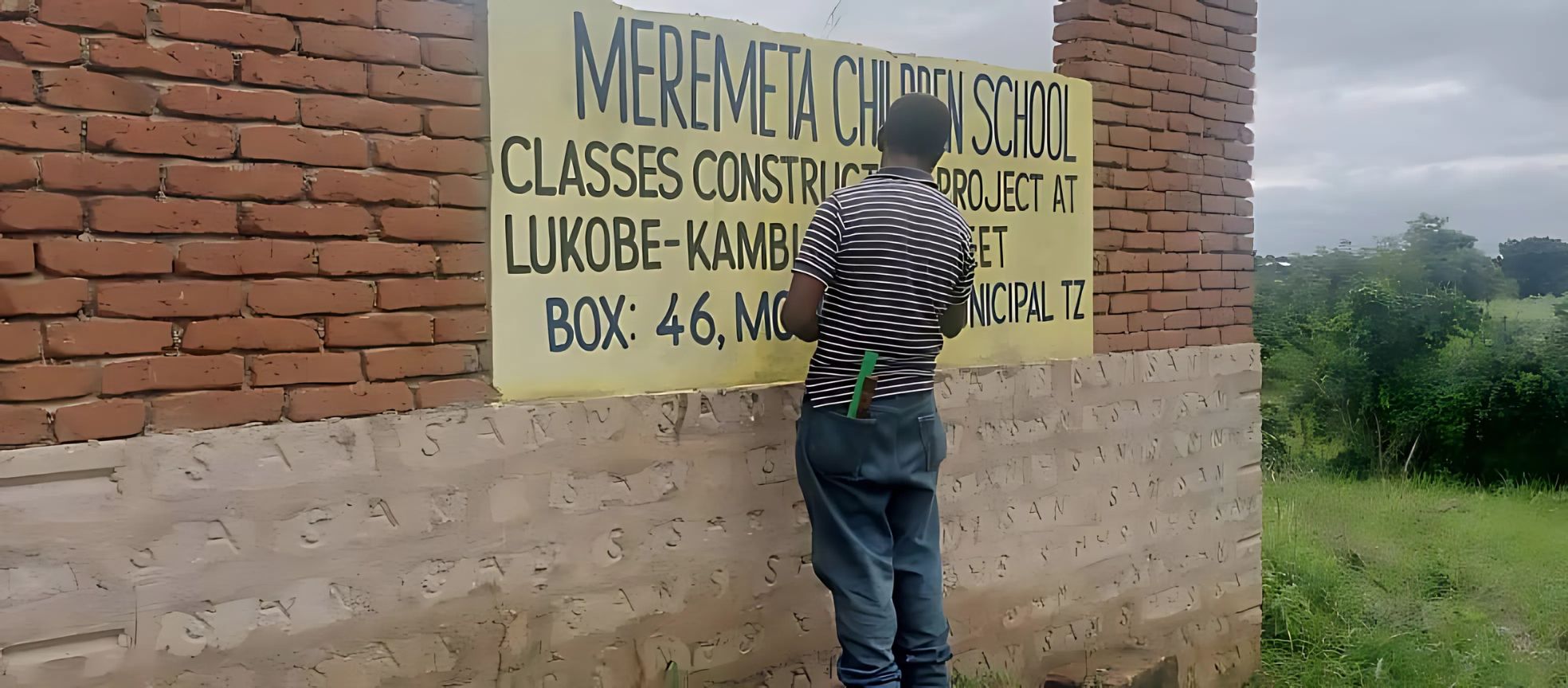
The Meremeta Children Project is located in Lukobe Ward, within Morogoro Municipal, Tanzania. The specific site is:
- Positioned on Lukobe Kambi Tano Street, a central and accessible area within the community.
- Nearby Mlima wa Mguru wa Ndege, located in the southeastern part of Lukobe, offering a recognizable natural landmark.
- In close proximity to the Lukobe Church of God, enhancing visibility and potential for community collaboration.
This location was selected for its accessibility, community presence, and potential to serve as a safe and welcoming space for children. It provides an ideal environment for delivering child-centered services and engaging local stakeholders in meaningful support.
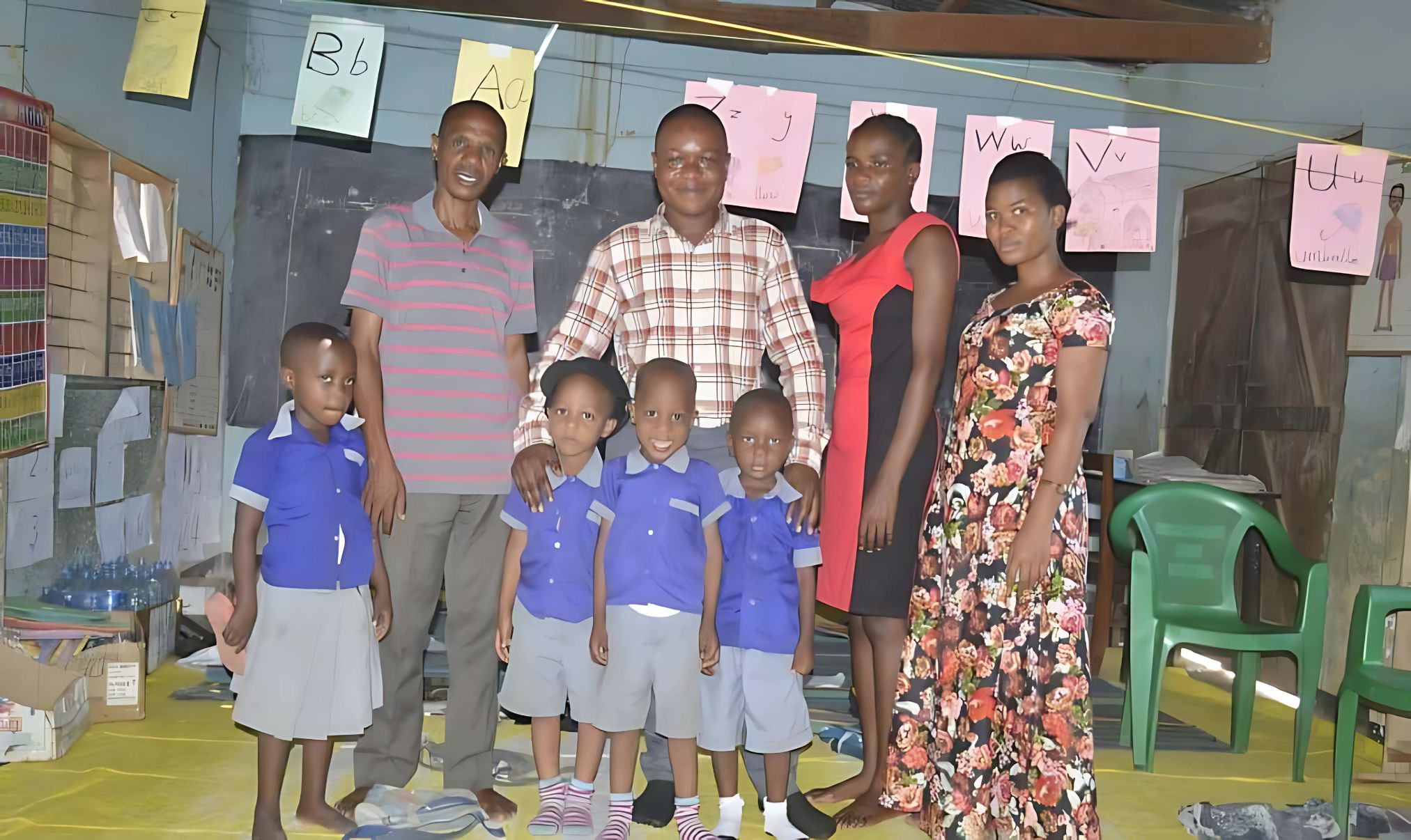
Project II: Empowering Children Welfare through Kindergarten school of Pamoja Children at Mang`ula, Morogoro
Project Background:
Project Rationale:
This project addresses a deeply rooted and urgent challenge: the growing number of vulnerable and street-connected children in the Kilombero Valley. For years, factors such as poverty, limited access to education, social stigma, and the loss of parents due to HIV/AIDS have contributed to a cycle of neglect, marginalization, and vulnerability. Many children are left without guidance, protection, or opportunity—forced into street life or unsafe environments.
While government support exists, it is often overstretched and insufficient to meet the complex and evolving needs of these youth. Community safety nets remain fragile, and harmful stereotypes frequently silence the voices of children who are striving for a better future.
In this context, the Pamoja Children Project is not just timely—it is essential. Our intervention seeks to:
- Protect vulnerable children from exploitation, neglect, and abuse
- Prevent violations of child rights through advocacy and education
- Address the root causes of street-connected children, offering pathways to reintegration, care, and empowerment
By acting early and holistically, we aim to break the intergenerational cycle of poverty, restore dignity, and unlock the full potential of every child we serve.
Vision & Mission:
Vision:
To become a leading supporter for the disadvantaged youths vocational training
Mission:
Enhancing youths’ independence through facilitation of training in vocational skills
Target Group:
The Pamoja Children Project is dedicated to supporting children who face significant barriers to well-being, education, and safety. The project will focus on the following vulnerable populations:
1. Orphaned and Vulnerable Children (Ages 0–18)
- Children who have lost one or both parents due to illness, conflict, or other circumstances.
- Those living without adequate adult care, protection, or emotional support.
- Includes children affected by HIV/AIDS, displacement, or abandonment.
2. Children from Impoverished or Unstable Households
- Children living in extreme poverty, lacking access to basic needs such as food, shelter, and education.
- Those exposed to domestic instability, neglect, or abuse.
- Includes children from single-parent families, child-headed households, or families affected by chronic illness or unemployment.
By focusing on these groups, the Pamoja Children Project aims to provide holistic care, educational support, and emotional healing—ensuring every child has the opportunity to grow in a safe, nurturing environment.
Project Objectives:
The Pamoja Children Project is committed to creating a safe, nurturing, and empowering environment for vulnerable and street-connected children. Our objectives are designed to deliver measurable impact through education, health, protection, and community engagement:
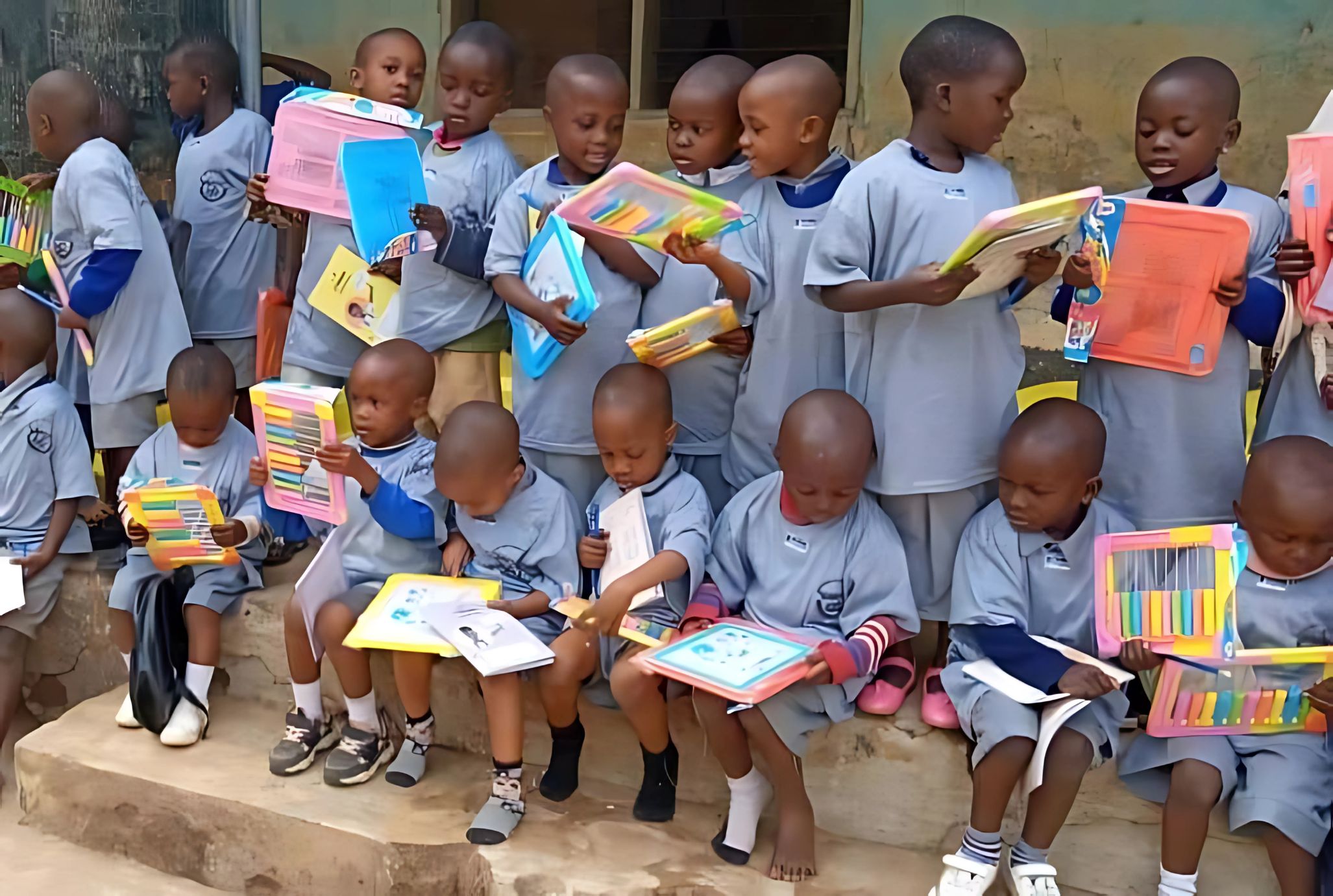
- Provide Early Childhood Education
Deliver quality early childhood education and development programs to 100+ children annually, laying a strong foundation for lifelong learning and resilience. - Reduce Child Rights Violations
Work with local authorities and communities to decrease reported cases of child rights violations by at least 15% each year, through prevention, reporting mechanisms, and advocacy. - Monitor and Improve Child Health
Conduct monthly health screenings and check-ups for approximately 100 children, ensuring timely intervention and promoting overall well-being. - Raise Community Awareness
Organize regular community outreach and sensitization campaigns to promote understanding of children’s rights, protection laws, and the importance of inclusive care.
Expected Impact:
The Pamoja Children Project will create lasting change in the lives of vulnerable and street-connected children by:
- Expanding Access to Learning
At least 120 vulnerable children annually will gain access to early childhood education and foundational learning, equipping them with the cognitive, emotional, and social skills needed to thrive in school and beyond. - Strengthening Child Protection Systems
Through community engagement and rights-based advocacy, the project will foster safer environments and reduce child rights violations—empowering children to grow free from abuse, neglect, and exploitation. - Enhancing Child Health and Well-being
Regular health check-ups will lead to early detection and treatment of common illnesses, improving overall child health outcomes and reducing absenteeism from learning activities. - Mobilizing Community Support
Increased awareness and involvement from parents, caregivers, and local leaders will build stronger community safety nets, promoting shared responsibility for child welfare and inclusion.
By addressing education, health, and protection in an integrated way, the project will break cycles of vulnerability and unlock the potential of children to become confident, capable, and contributing members of society.
Location & How to Reach Out:
The Pamoja Children Project is based in Mang’ula Ward, located within Kilombero District, Tanzania.
The specific site is:
- Situated on Mwaya Street, offering convenient access for local families and stakeholders.
- Nearby Mang’ula Railway Station, a key transportation hub that enhances regional connectivity.
- In close proximity to Mountain Peak Lodge, a recognizable landmark that supports visibility and accessibility for visitors and partners.
This location was strategically chosen for its centrality within the community, ease of access for children and caregivers, and potential for collaboration with local institutions. It provides an ideal setting for delivering child-focused services and fostering inclusive development.
Project III: Enhancing Youth Independence Through Vocational Skills Training at Uluguru Carpentry Workshop Morogoro
Project Background:
Project Rationale:
Context and Need
The Uluguru Carpentry Workshop is a strategic response to a deeply entrenched socio-economic challenge affecting youth in the region. High levels of illiteracy, compounded by limited access to employment and vocational training, have left many young people marginalized and unable to realize their full potential. This situation perpetuates cycles of poverty, social exclusion, and vulnerability.
Despite the presence of government initiatives, resources are often overstretched and unable to meet the growing demand for youth support. Community-based safety nets remain underdeveloped, and social stigma frequently silences the aspirations of young individuals seeking a better future.
Purpose and Objectives
This project is designed to address these challenges through a holistic and sustainable approach. It aims to:
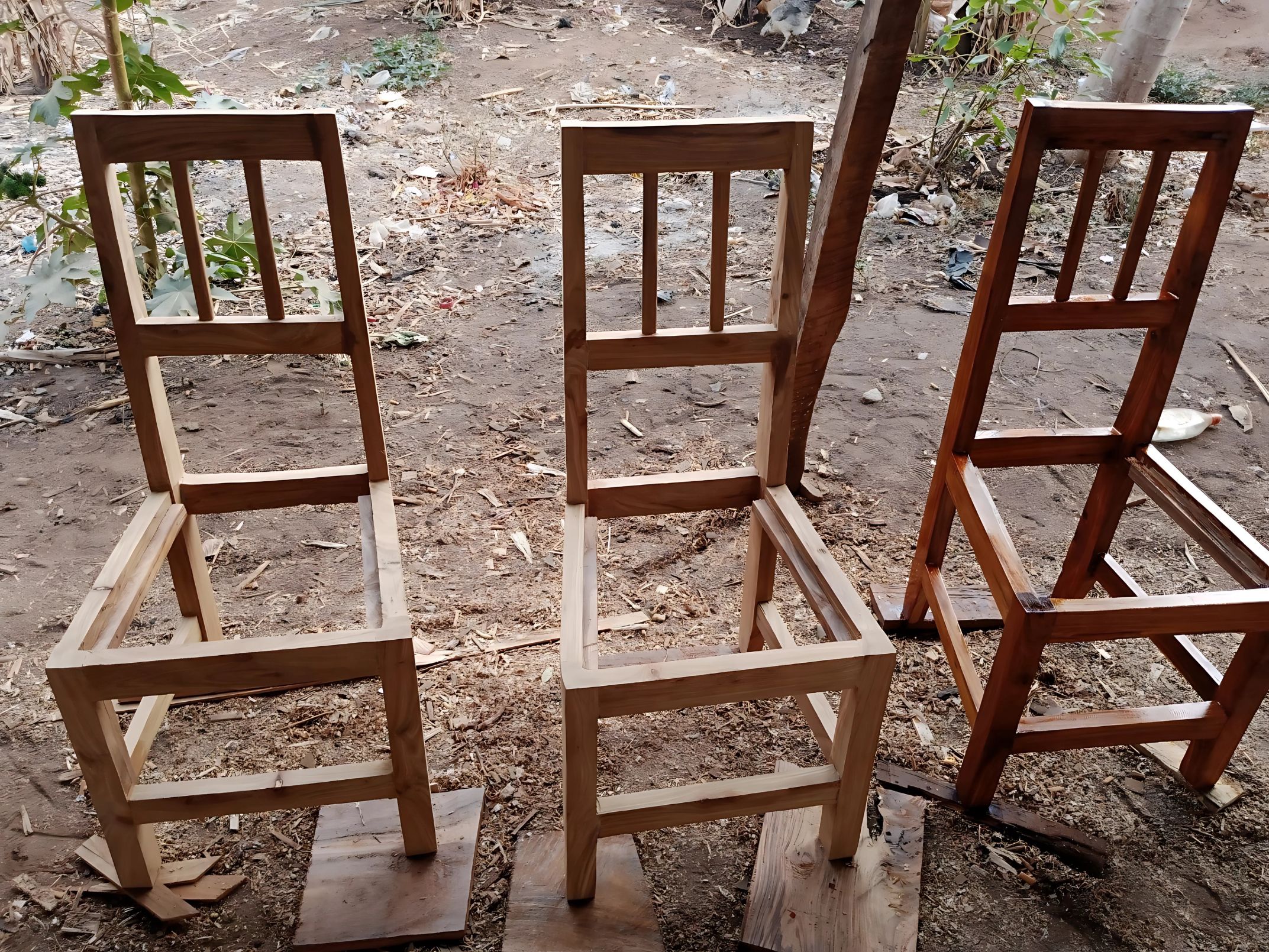
Empower youth through carpentry-based income generation
By equipping participants with practical carpentry skills, the workshop will enable them to earn a stable income, fostering independence and economic resilience.Provide long-term development through education and vocational training
Beyond immediate employment, the project will offer structured learning opportunities, enhancing literacy, technical proficiency, and entrepreneurial capacity.Align with national poverty reduction strategies
The initiative supports broader governmental efforts to reduce poverty and promote inclusive economic growth, contributing to national development goals.
Transformational Impact
By intervening early and comprehensively, the Uluguru Carpentry Workshop seeks to:
- Break the intergenerational cycle of poverty
- Foster community resilience and self-reliance
- Create a replicable model for youth empowerment in underserved regions
This project is not just a workshop—it’s a launchpad for brighter futures, stronger communities, and a more equitable society.
Vision & Mission:
Vision:
To become a leading supporter for the disadvantaged youths' vocational training
Mission:
Enhancing youths’ independence through facilitation of training in vocational skills
Target Group:
The Uluguru Carpentry Workshop is designed to serve youth who face significant socio-economic challenges and are at risk of long-term marginalization. The project will prioritize the following groups:
1. Disadvantaged Youths (Ages 18–25)
- Young individuals who lack access to formal education, vocational training, or stable employment.
- Often excluded from mainstream development programs due to geographic, economic, or social barriers.
2. Youths from Impoverished or Unstable Households
- Participants from families struggling with poverty, food insecurity, or unstable living conditions.
- Includes youth from single-parent homes, orphaned individuals, or those affected by domestic instability.
3. Youth at Risk of Exploitation, Early Marriage, or School Dropout
- Vulnerable youth who are exposed to harmful practices such as child labor, early marriage, or trafficking.
- Those who have dropped out of school or are at high risk of doing so due to financial or social pressures.
Project Objectives:
The Uluguru Carpentry Workshop is committed to empowering vulnerable youth through practical support, vocational training, and community engagement. The following objectives outline the measurable and strategic goals of the project:
1. Provide Essential Support to Village Youths
- Deliver daily meals and carpentry tool kits to approximately 20 village youths annually, ensuring their basic needs are met while they participate in training.
- Foster a supportive learning environment that encourages consistent attendance and skill acquisition.
2. Promote Community Awareness and Outreach
- Conduct targeted awareness campaigns to engage street youths and inform them about the benefits of vocational training.
- Collaborate with local leaders, schools, and media to reduce stigma and increase enrollment in the workshop.
3. Train Older Youths in Vocational and Entrepreneurial Skills
- Equip older youths with carpentry and entrepreneurship training to promote self-reliance and economic independence.
- Support graduates with mentorship and small business startup guidance to ensure sustainable livelihoods.
Expected Impact:
The Uluguru Carpentry Workshop is designed to generate meaningful and measurable outcomes that contribute to youth empowerment and community development. The primary expected impact includes:
Creation of Sustainable Self-Employment
- Enable at least 20 youths annually to establish self-employment through carpentry and related trades.
- Equip participants with practical skills, tools, and entrepreneurial knowledge to start their own income-generating activities.
- Reduce dependency on informal labor and increase financial stability among youth beneficiaries.
Broader Community Benefits
- Stimulate local economic growth through youth-led microenterprises.
- Foster a culture of skill-based development and self-reliance.
- Contribute to national poverty reduction goals by transforming vulnerable youth into active economic contributors.
Location & How to Reach Out:
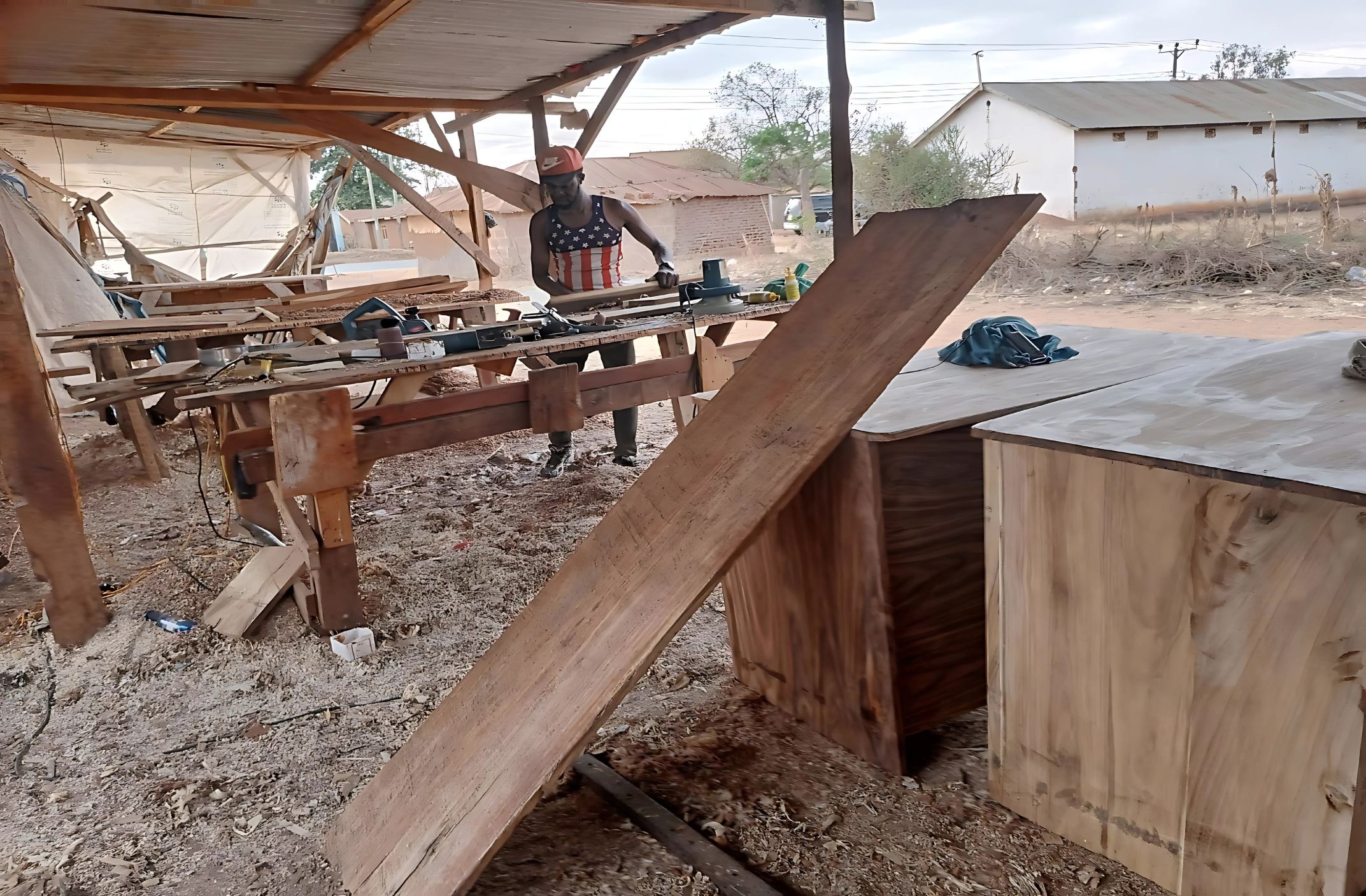
The Uluguru Carpentry Workshop is located in Gairo Village, a strategic and accessible location in eastern Tanzania. The site is situated:
- Near Gairo National Stadium, locally known as “Uwanja wa Taifa”, provides a recognizable landmark for community engagement and outreach.
- Approximately 130 kilometers from Msamvu Bus Terminal in Morogoro, a major transit hub that connects the region to surrounding districts and urban centers.
This location was selected for its proximity to underserved youth populations, availability of open space for workshop facilities, and ease of access for trainers, partners, and beneficiaries. The surrounding community offers a supportive environment for vocational training and youth development initiatives.
Get Involved
Whether you’re a volunteer, donor, partner, or advocate, your support matters.
