📚 Tanzania’s Education System: Structure, Progress, and Challenges
Understanding the Education System in Tanzania
Discover the intricacies of Tanzania’s education system, its governance, and the collaborative efforts shaping the future of learning.
Policy Development
Explore how policies are crafted to enhance educational outcomes across the nation.
Collaborative Governance
Learn about the ministries working together to oversee and improve education services.
Overview of Tanzania's Education System
anzania’s education sector is overseen by the Ministry of Education, working in close collaboration with the Ministry of Regional Administration and Local Government and the Ministry of Health, Community Development, Gender and Children. These ministries jointly contribute to policy formulation, curriculum development, inspection, and overall facilitation of education services.
Structure of the Education System
Pre-Primary Education
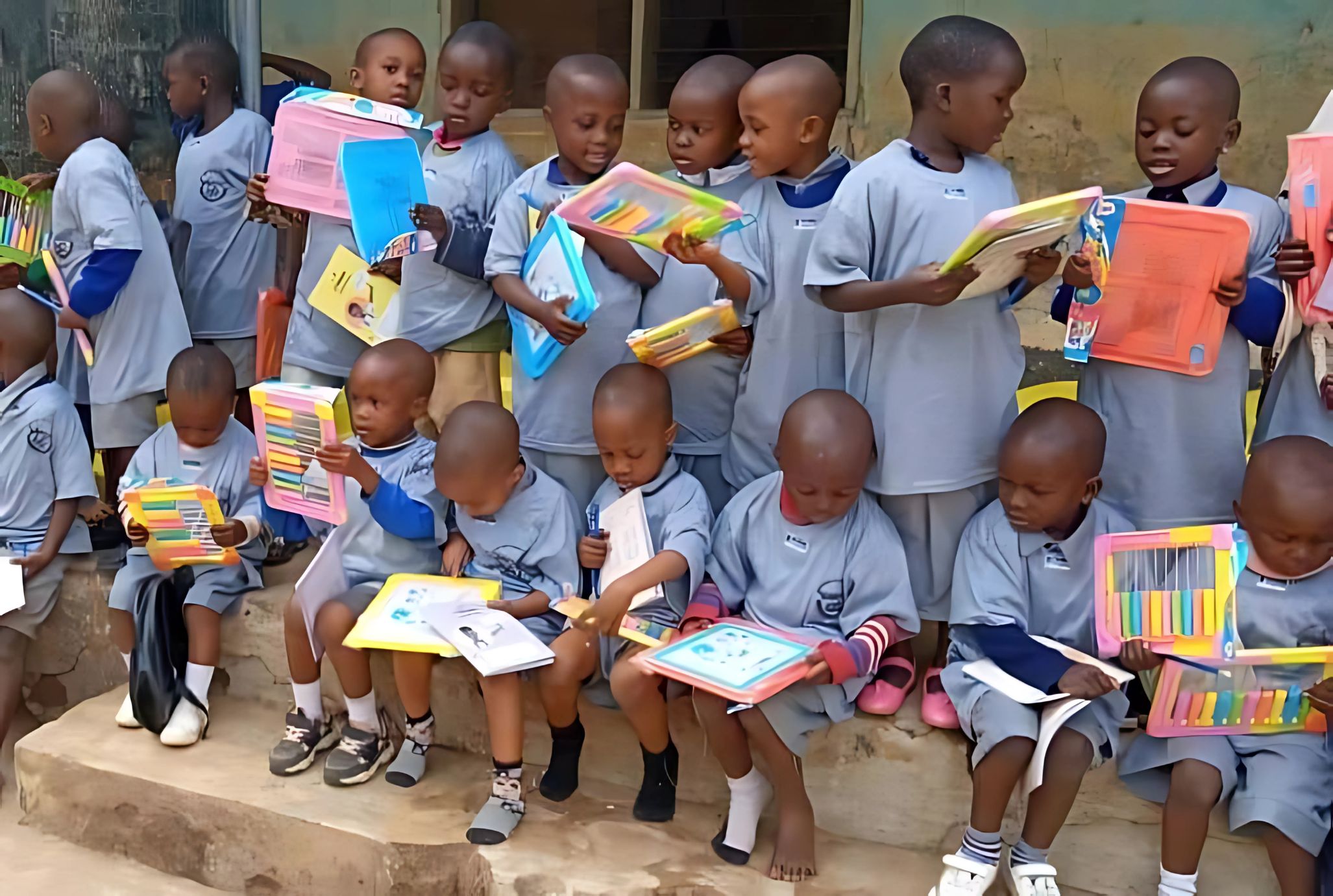
Two years of foundational education aimed at preparing children for primary school.
Primary Education
Seven years of compulsory education focusing on basic literacy and numeracy skills.
Secondary Education
Four years of ordinary secondary education followed by two years of advanced studies, preparing students for higher education or vocational training.
Tertiary Education
This part involve 3+ years of tertiary education
Tanzania hosts approximately 44 higher education institutions, including:
- 12 public universities and colleges
- 21 private universities and colleges
- 11 non-university institutions (e.g., technical colleges, excluding Zanzibar)
Most institutions offer degrees in professional fields, contributing to national development.
Language of Instruction in Tanzania
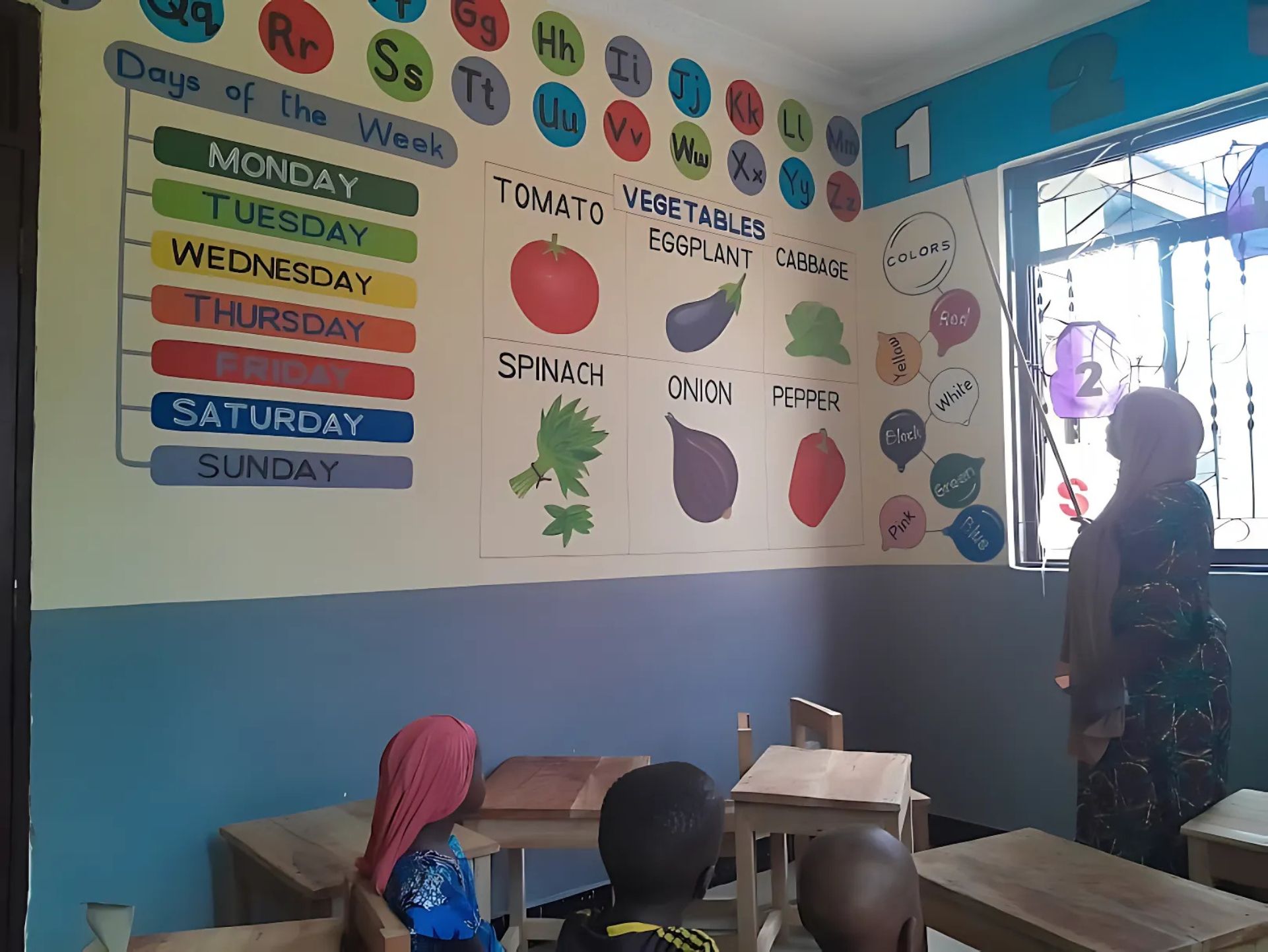
In Tanzania, the educational framework incorporates a bilingual teaching strategy to enhance learning. Public schools primarily use Kiswahili during the primary education phase, transitioning to English for secondary education. This approach aims to strengthen foundational language skills while preparing students for global opportunities. In contrast, private schools often adopt English from the outset, providing an immersive language environment that aligns with international standards.
Government Commitment and Policy Framework
⚠️ Persistent Challenges
Despite significant strides, Tanzania’s education system still grapples with several persistent challenges that hinder its progress.
Qualified Teacher Shortage
The scarcity of trained educators remains a critical issue, affecting the quality of education and student outcomes across the nation.
Inadequate Learning Materials
Many schools lack essential resources, limiting students’ ability to fully engage with the curriculum and hindering their learning experience.
Infrastructure Deficiencies
Overcrowded classrooms and insufficient facilities create a challenging learning environment, particularly in rural areas.
Access Disparities
Children from vulnerable backgrounds face significant obstacles in accessing quality education, highlighting the need for inclusive policies.
📘 Curriculum and Inclusivity
Inclusive Curriculum
Our curriculum is designed to accommodate diverse learning needs, ensuring that every student has the opportunity to succeed.
Community Engagement
We actively involve local communities in educational initiatives to foster a supportive learning environment for children.
Resource Allocation
We prioritize the distribution of educational resources to underserved areas, aiming to bridge the gap in educational equity.
📊 Education Performance Metrics
Our commitment to enhancing educational outcomes is reflected in our performance metrics, which highlight areas of success and opportunities for improvement.
- Right To Education Linked To Income Level 57%
- Primary Education Achievement 79%
- Secondary Education Challenge 34.9%
Pre-Primary Education: A Missed Opportunity?
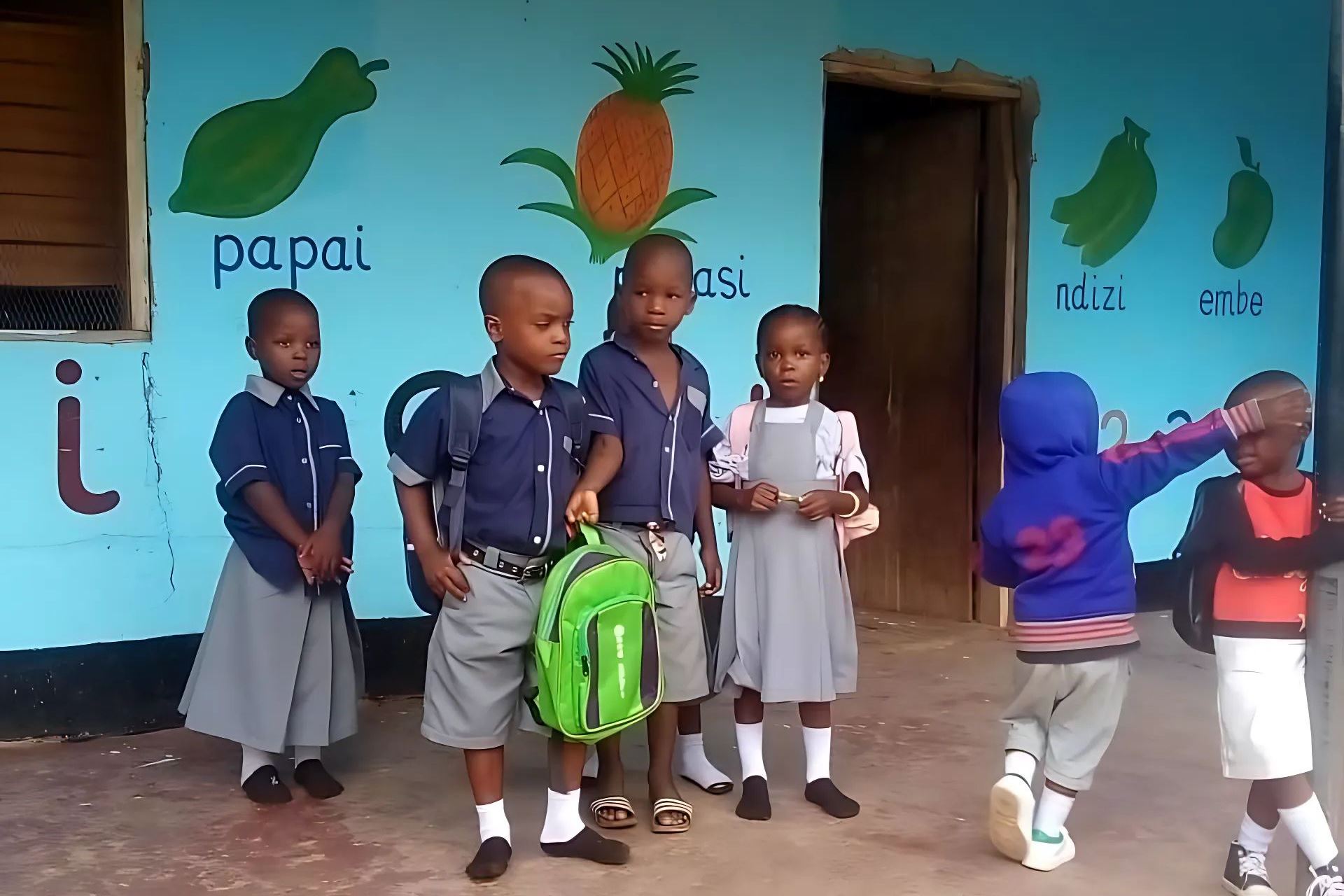
Tanzania ratified the Convention on the Rights of the Child in 1991, recognizing early childhood education as a basic right and a driver of economic development. However:
Pre-primary education is not mandatory
Accessibility Challenges
Teacher Qualification
Curriculum Development
The curriculum lacks emphasis on creativity, health, and emotional development
Vulnerable Children: Bridging the Education Gap
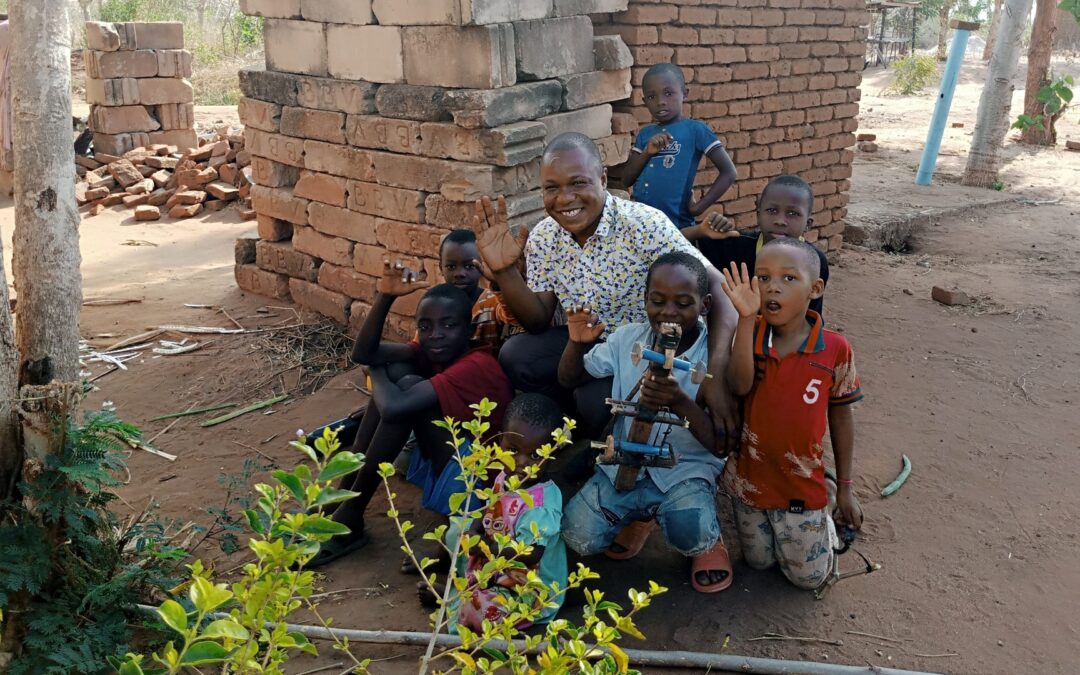
Despite the implementation of fee-free education in Tanzania, many children from low-income families and rural areas continue to face significant challenges in accessing quality education. These barriers include a lack of transportation, inadequate school infrastructure, and insufficient learning materials, which disproportionately affect vulnerable children.
Efforts to address these issues are crucial for ensuring equitable education opportunities. By focusing on community engagement, resource allocation, and policy advocacy, we can work towards creating an inclusive educational environment where every child has the chance to succeed, regardless of their socio-economic background.
Join Us in Transforming Education
Support our mission to enhance educational opportunities in Tanzania. Your contribution can help bridge gaps in teacher training, infrastructure, and learning resources, ensuring every child has access to quality education.